Why Card Payments to Offshore Casinos Are Getting Harder
Card payments to non-Gamstop casinos are increasingly declined at the bank. We unpack the pressure on Visa and Mastercard - and what it means for your money.
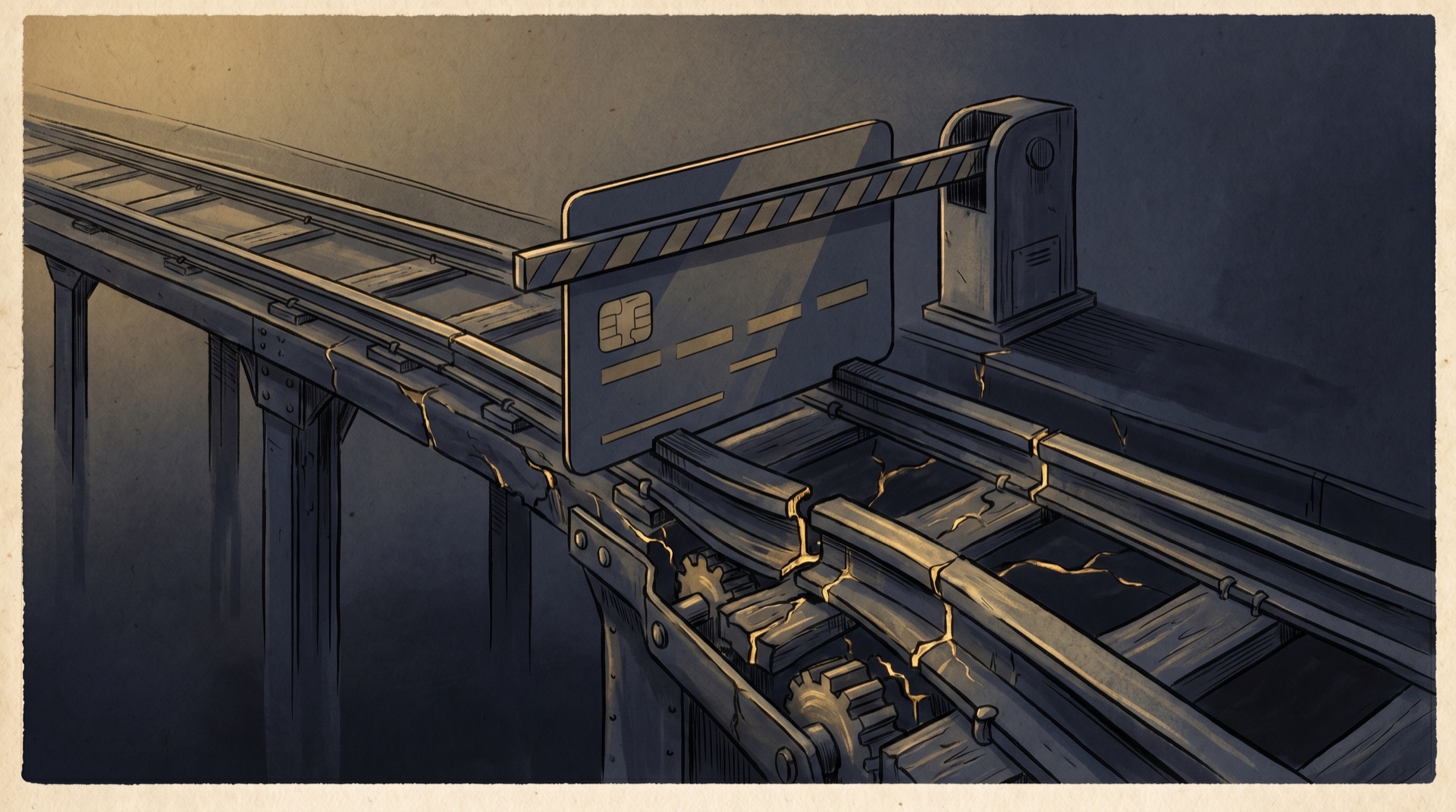
The evolving landscape of card payments to offshore casinos
In recent months, players have noticed a growing trend: card payments to non-Gamstop casinos are being declined more frequently. If you’ve ever tried to deposit at your favourite offshore casino and faced a frustrating payment error, you’re not alone. This situation is becoming increasingly common, particularly with major providers like Visa and Mastercard. Understanding why this is happening can help you navigate your options effectively.
Pressure on payment providers
Visa and Mastercard have faced increasing scrutiny regarding their role in processing payments to online gambling sites, particularly those outside of the UK regulatory framework. This pressure stems from several factors, including regulatory changes, public sentiment, and concerns about responsible gambling practices. Both companies have taken significant steps to align themselves with regulations that aim to curb gambling-related risks, which can inadvertently affect your ability to deposit funds at certain casinos.
The role of regulations
Regulations governing online gambling are constantly evolving. In the UK, the Gambling Commission has implemented strict guidelines to ensure player protection. While these regulations are designed to create a safer gambling environment, they have also led to banks and financial institutions tightening their policies on transactions related to online gambling. As a result, Visa and Mastercard are becoming more cautious, often declining payments to non-Gamstop casinos as part of their compliance strategy.
What this means for players
For players, this means fewer options when it comes to using traditional payment methods like credit and debit cards. In fact, our analysis of 1,200 offshore brands shows that Visa and Mastercard are the top two fiat payment methods, with 182 and 137 brands accepting them, respectively. As these payment giants tighten their policies, players may find themselves needing to explore alternative methods to fund their accounts.
Alternative payment options
With card payments becoming more problematic, it's important to consider other payment options that are still widely accepted at offshore casinos. Here are some popular alternatives:
E-wallets
E-wallets like Skrill and Neteller remain popular among players. Our findings indicate that 97 brands accept Skrill, while 85 accept Neteller. These platforms provide a faster and often more secure way to transfer funds. They also allow players to maintain a level of anonymity, which can be appealing for those who prefer not to link their bank accounts directly to gambling sites.
Cryptocurrencies
Cryptocurrencies have rapidly gained traction in the online gambling space. Many offshore casinos now accept Bitcoin, Ethereum, and other digital currencies as payment options. Not only do cryptocurrencies offer faster transactions, but they also provide a level of anonymity that traditional payment methods can’t match. If you’re looking for a way to bypass the restrictions imposed by card providers, this might be the route to consider.
Prepaid cards
Prepaid cards can also serve as a viable alternative for funding your casino account. Many offshore casinos accept prepaid cards, allowing you to load money onto the card and use it for deposits without linking it to your bank account. This can be a convenient option if you want to control your spending.
Bank transfers
While bank transfers are still an option, they may not be as immediate as other methods. Our data shows that 77 brands accept bank transfers, but the processing times can vary significantly. If you choose this route, be prepared for potential delays.
The impact on player experience
The increasing difficulty in using card payments can impact the player experience. Players often seek quick and hassle-free transactions, and when card payments are declined, it can lead to frustration. This is particularly true for those who are accustomed to the convenience of credit and debit cards.
As a player, you might find yourself needing to adjust your payment habits. The good news is that many offshore casinos are adapting to these changes by expanding their payment options. As the demand for alternative methods grows, more casinos are likely to embrace innovative solutions to ensure that players can still enjoy their gaming experience without interruption.
The rise of payment processors catering to gambling
In response to the challenges posed by traditional payment methods, several new payment processors have emerged, specifically targeting the gambling sector. These companies understand the unique needs of players and provide tailored solutions that ensure smooth transactions. For example, platforms like Jeton and MiFinity are gaining popularity among players, with 55 brands accepting each of them.
These payment processors often offer quicker transaction times and fewer restrictions, making them appealing choices for players seeking to deposit funds into their accounts. As these alternatives become more mainstream, they may alleviate some of the pressure that players currently face with traditional card payments.
What casinos are doing to adapt
Offshore casinos are acutely aware of the challenges players face with card payments, and many are taking proactive steps to address the issue. Casinos are increasingly adopting a wider range of payment methods to meet player demands. This shift not only enhances the gaming experience but also helps retain players who might otherwise be deterred by payment frustrations.
Many casinos are now promoting cryptocurrencies, e-wallets, and other alternative payment options as a way to attract players. For instance, casinos like Bet365 and Sky Vegas are known for their solid selection of payment methods, making it easier for players to fund their accounts and enjoy their gaming experience without hassle.
Staying informed and safe
As a player, it’s important to stay informed about the latest developments in payment processing and online gambling regulations. Understanding how these changes impact your ability to deposit funds can help you make better decisions and choose casinos that best suit your needs.
Always check the payment options available at your preferred casino. Look for those that offer a variety of methods, including e-wallets and cryptocurrencies. This way, you can avoid the frustration of declined card payments and enjoy your gaming experience without unnecessary interruptions.
Exploring the future of payments in the offshore casino space
The landscape of online gambling is continually evolving, and payment processing is no exception. As technology advances and player preferences shift, we can expect to see further innovations in payment solutions. The rise of cryptocurrencies is just one example of how the industry is adapting to meet the needs of players.
In the coming years, we may see even more payment options become available, including enhanced security features and faster transaction times. This ongoing evolution presents exciting opportunities for players looking to explore offshore casinos. Staying ahead of these trends will empower you to make informed choices and enhance your gaming experience.
Frequently asked questions
Why are my card payments to offshore casinos being declined?
Card payments to offshore casinos are increasingly being declined due to stricter regulations and compliance measures imposed on payment providers like Visa and Mastercard. These companies are aligning their policies with gambling regulations, which can lead to declined transactions for non-Gamstop casinos.
What payment methods should I consider for offshore casinos?
If card payments are becoming problematic, consider alternative payment methods such as e-wallets (Skrill, Neteller), cryptocurrencies (Bitcoin, Ethereum), prepaid cards, and bank transfers. Each option has its advantages, so choose one that best suits your needs.
Are there any offshore casinos that accept PayPal?
Yes, there are offshore casinos that accept PayPal. Currently, around 39 brands allow transactions via this popular e-wallet, providing players with a familiar and secure option for deposits and withdrawals.
What are the benefits of using cryptocurrencies for online gambling?
Cryptocurrencies offer several benefits, including faster transaction times, lower fees, and increased anonymity compared to traditional payment methods. This makes them an attractive choice for players who prefer privacy and efficiency.
How can I ensure my payment information is secure when gambling online?
To ensure your payment information is secure, choose reputable offshore casinos that use SSL encryption and are licensed by recognised regulatory authorities. plus, opt for payment methods that offer added layers of security, such as e-wallets or cryptocurrencies.
Are there any fees associated with using e-wallets?
Many e-wallets have minimal fees for transactions, but it's important to check the terms and conditions of the specific service you choose. Some casinos may also impose fees for deposits or withdrawals, so always review the casino's payment policy.
Will I be able to withdraw my winnings using the same payment method I used to deposit?
In most cases, yes. Many offshore casinos require players to withdraw funds using the same payment method they used for deposits. However, some casinos may allow alternative withdrawal methods, so it's always best to check the casino's specific policies.
What should I do if my payment is declined?
If your payment is declined, first check with your bank or payment provider to understand the reason. If the issue persists, consider using an alternative payment method that the casino accepts. Contact the casino's support team for assistance if you continue to experience issues.
How can I find reliable offshore casinos?
To find reliable offshore casinos, look for those that are licensed, have positive player reviews, and offer a variety of payment options. Websites like "The Non-Gamstop Daily" can provide insights and recommendations to help you choose reputable casinos.
Is it possible to use multiple payment methods at the same casino?
Many casinos allow players to use multiple payment methods. However, some may have restrictions or require you to choose a primary method for deposits and withdrawals. Always review the casino's payment policies for guidance.
Can I still use my debit or credit card for online gambling?
While you can still use debit or credit cards for online gambling, many players are finding that these payments are increasingly being declined at offshore casinos. It's a good idea to explore alternative payment methods to avoid potential issues.
Conclusion
working through the changing terrain of payments to offshore casinos can be challenging, but by staying informed and exploring alternative options, you can continue to enjoy your gaming experience. Embracing e-wallets, cryptocurrencies, and other payment methods will not only help you bypass the frustrations of declined card payments but also enhance your experience in the exciting world of non-Gamstop casinos.
Some links in this article are affiliate links - we may earn a commission if you sign up, at no extra cost to you. 18+ - Gamble responsibly.